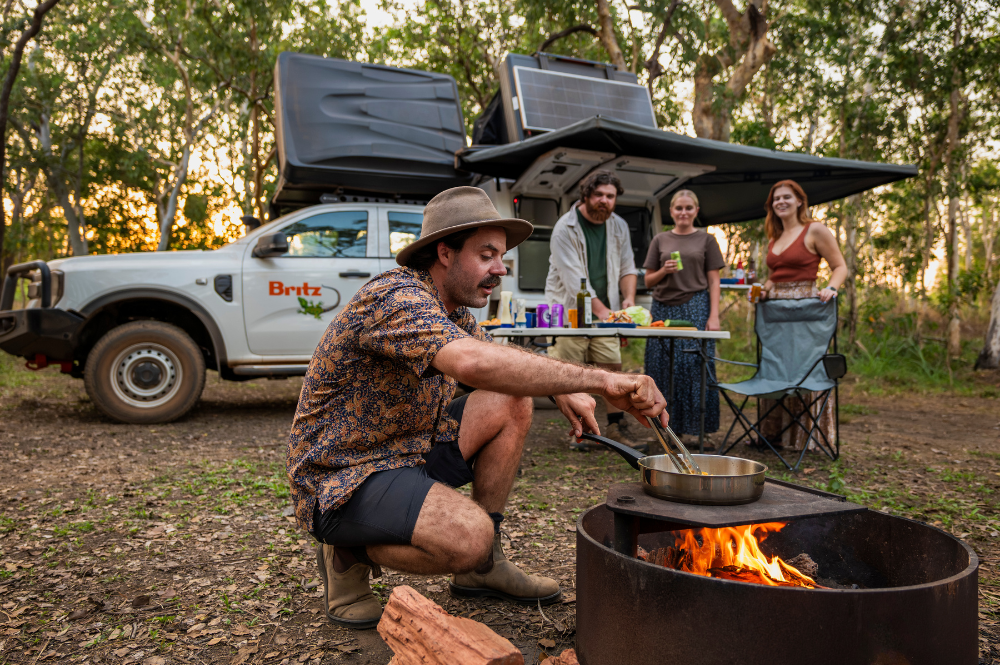
You’re at the servo, doing servo maths, working out how far $80 of fuel is actually going to get you. Sound familiar? Good news: touring on a smaller rig through winter doesn’t mean cutting the trip short. It just means getting a bit smarter about where the money goes. Here’s what actually works.
Fuel is the cost that adds up the fastest, and it’s also the easiest one to claw back without changing your route at all.
If you’re towing: Do the boring five-minute check before you leave. Tyre pressure, general vehicle condition, the stuff nobody wants to think about. It genuinely changes how efficiently you tow, and it costs you nothing but five minutes.
Ease off, just a bit. Speed is the biggest fuel drain when you’re towing. Dropping 10 km/h off your highway speed barely changes when you arrive, but it changes your fuel bill by the end of the trip. Bonus: it’s a way less stressful drive too.
Smooth over fast. Hard acceleration and heavy braking burn more fuel than you’d think. Cruise control on the long straight stretches keeps things steady and takes the guesswork out of it.
Pack like you’re actually going to carry it, because you are. Full water tanks, gear you packed “just in case,” all of it adds weight, and weight costs fuel. If you’re stopping at caravan parks along the way, you don’t need to be lugging everything the whole trip.
Check fuel prices before you fill up, not after. Prices swing more once you’re out of the cities than you’d expect. A fuel price tracking tool like PetrolPulse, takes two seconds and can save you a genuinely annoying amount over a long trip.
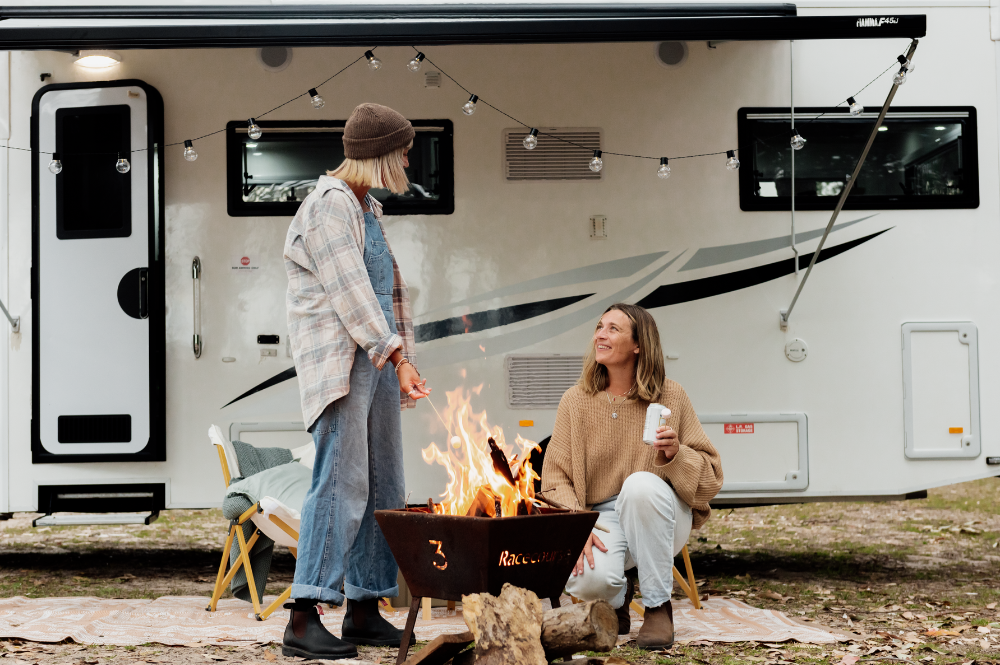
Fuel’s not the only place the money leaks out. A few habits do more than one big sacrifice ever will.
Actually track what you’re spending. Not a full spreadsheet, just enough to catch it before you’re eating instant noodles for the last four days of the trip. A budget-splitting app makes this painless if you’re travelling with mates.
Work on the road if that’s your kind of trip. Fruit picking, hospitality, caravan park gigs, house and pet-sitting, it’s how a lot of people keep touring longer than their savings alone would allow. If you can work remotely, most parks now have decent wifi and somewhere to actually sit and do it.
Find the free stuff. Australia’s stacked with national parks and local events that cost nothing once you’re there. A bit of planning around your stops usually turns up more free things to do than you’d expect.
Don’t just book the first park you see. Off-peak rates, midweek deals, multi-night discounts, they’re everywhere if you compare a couple of options instead of booking on autopilot. This alone can save more than almost anything else on this list.
Dodge the peak windows if you can. Everything costs more during school holidays and the busiest travel months. If your schedule’s got any give in it, shift outside those windows and feel the difference.

Slower driving. Lighter packing. Checking prices before you fill up. Picking your stops with a bit more thought. None of it feels huge on its own. Stack it all up over a full trip though, and it adds up to a genuinely different budget by the time you’re home.
Do it consistently and there’s more left over for the stuff actually worth spending on.
Want to sort your setup too? Check out this guide to kitting out your van or camper on a budget.
Recent Post:

Categories:
Tags:
Key Industry Partners