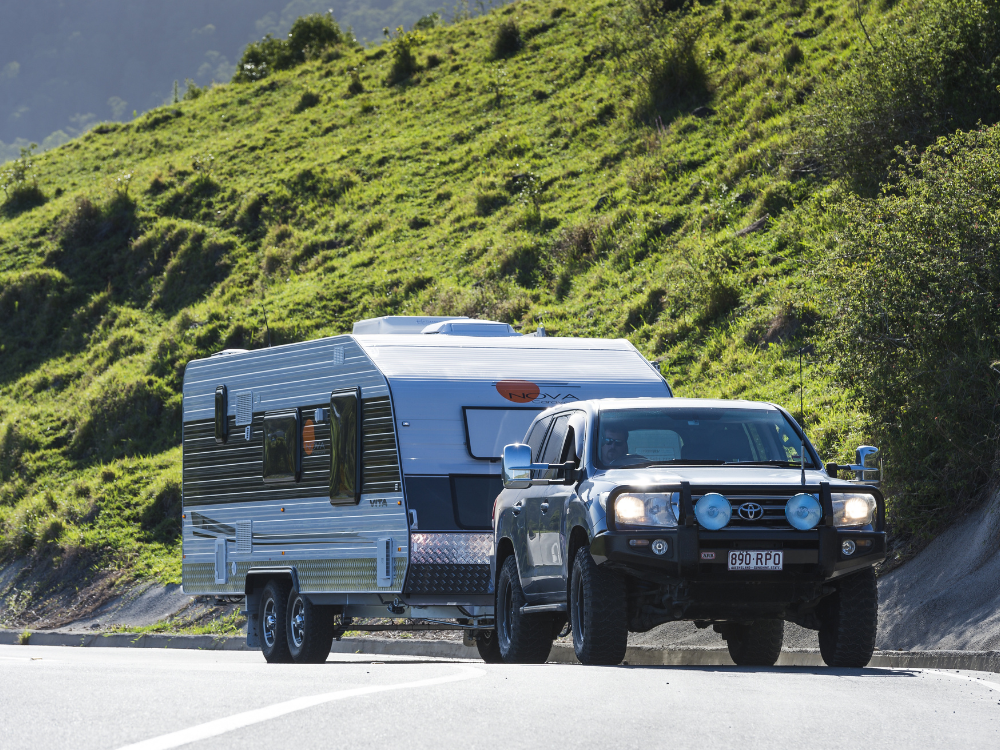
Get the fundamentals right and towing doesn’t have to feel over-complicated or stressful.
In Australia, towing is part of the lifestyle — and it has been for centuries. Boats, trailers, campers and caravans… if it can be done, we’ll tow it.
But despite that familiarity, many caravanners still get the basics wrong — compromising safety, performance and the overall journey.
Here’s a look at the most common towing mistakes, and how to avoid them.
Weight limits are one of the most important factors in safe towing — and one of the most commonly misunderstood.
When it comes to understanding your setup, there are a few key limits to get your head around:
Staying within these limits isn’t just about performance — it’s critical for safety, insurance and keeping your vehicle warranty valid. It’s also important to remember that your setup must comply with all limits at once.
For those running close to their limits, approved upgrades like Pedders GVM+ solutions can help increase your vehicle’s legal carrying capacity.
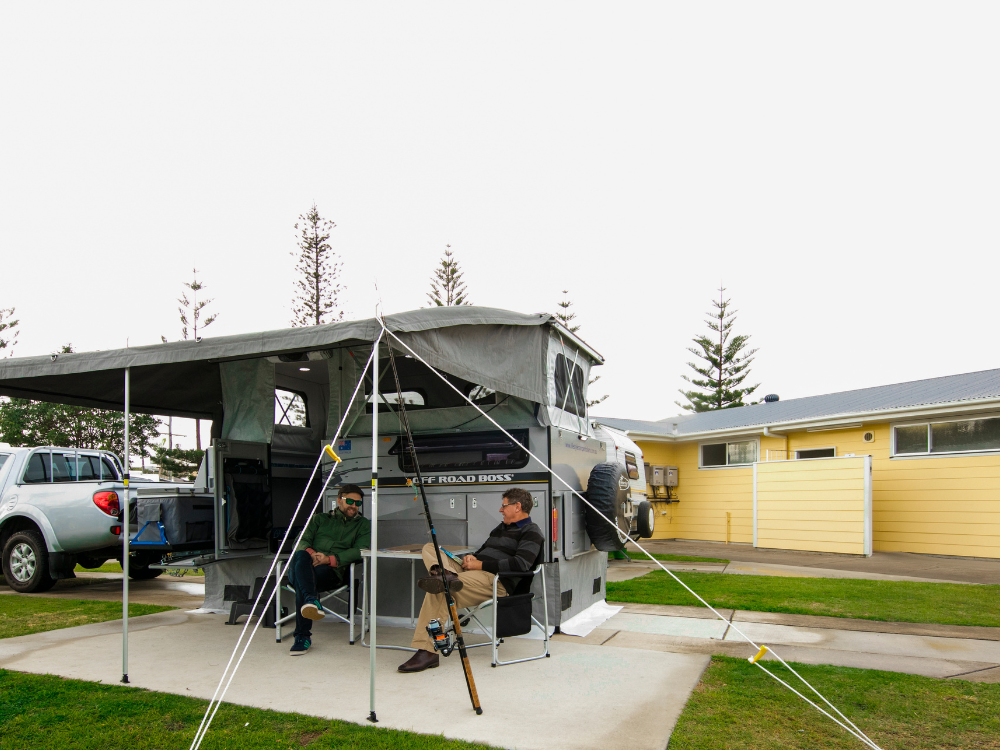
Many drivers focus on their vehicle’s tow rating but in reality, payload is often the limiting factor.
Your payload is the total your vehicle can carry, including passengers, gear, accessories and tow ball weight — and it adds up faster than most people expect.
Another common towing mistake is confusing a caravan’s tare weight with its real-world weight. Tare is the empty, factory weight, but once you add water, gas, batteries, food and personal gear, that number increases significantly.
This is where many caravanners get caught out — unknowingly exceeding their limits and overloading their setup. Overloading can have serious consequences, including longer stopping distances, brake failure, tyre blowouts, and loss of control.
Systems such as Pedders LoadRyder Onboard Scales equips your vehicle with precise, real-time monitoring of your payload and axle load weights.
Tow ball weight plays a critical role in how your caravan tows, so it’s important to get it right. If it’s too light, the caravan can become unstable and prone to swaying. Too heavy, and it can overload the rear of your vehicle, impacting steering, braking and overall control.
The key is balance. A well-loaded caravan should have enough weight forward of the axle to keep it stable, without exceeding your vehicle’s limits. Getting this right makes a noticeable difference to how your setup handles on the road, especially at highway speeds or in windy conditions.
Getting your tow ball weight right starts with how you load your van. Poor loading is one of the most common causes of instability and unsafe towing setups.
A few key principles to follow:
Small changes in how your van is loaded can have a big impact on stability, handling and overall towing safety.
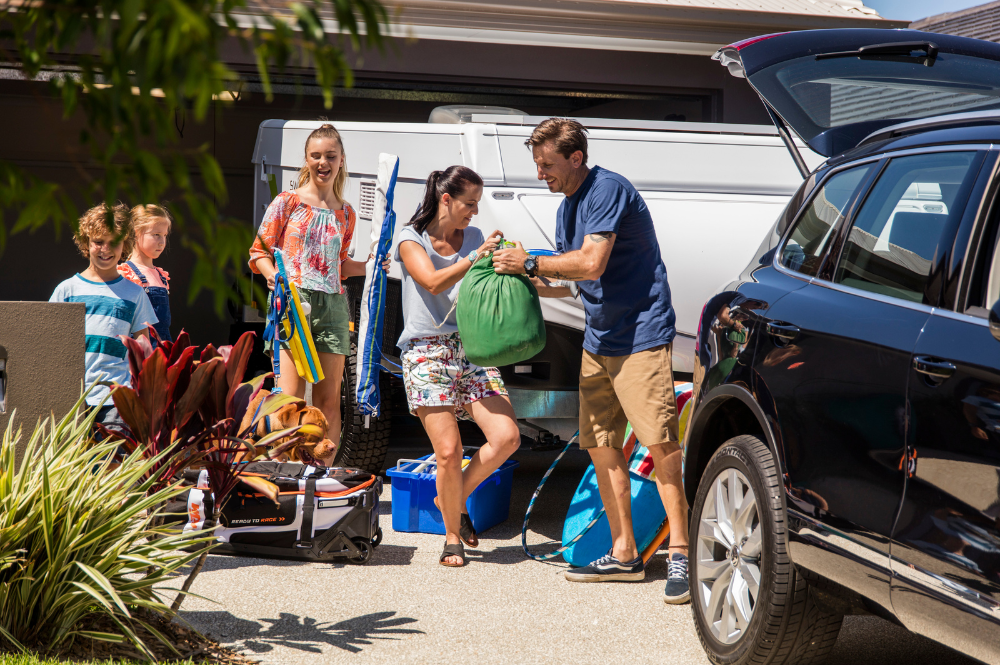
A mistake even experienced caravanners make? Not weighing their setup.
It’s easy to assume you’re within your limits — but without weighing, you’re only guessing. Small additions like extra gear, water or accessories can quickly push you over without realising.
Public weighbridges are widely available across Australia and are relatively inexpensive to use. Many dealers and workshops can also help you check your weights.
Knowing your actual numbers gives you confidence on the road — and ensures you’re towing safely, legally and within your limits.
Another common towing mistake is choosing the wrong tow vehicle — or assuming your existing vehicle is “fine to tow”.
Towing capability isn’t just about tow rating. You also need to consider factors like payload, GVM, GCM, braking capacity, torque and how the vehicle will perform under load.
It’s also important to ensure your setup meets legal requirements, including electric brakes for heavier caravans.
Before purchasing a caravan, take the time to understand what your current vehicle can safely and legally tow — or what type of vehicle you’ll need to match your ideal setup. Getting this wrong can limit your options or leave you with an unsafe combination on the road.
One of the most overlooked parts of towing? Your pre-trip checks.
Caravanning is one of those things where the small details do matter and missing them can quickly lead to bigger issues on the road.
Before you leave, always check your setup: brakes, hitch and coupling, electrical connections, towing mirrors, tyre condition and that your load is properly secured. Regular maintenance checks should also be part of your routine.
For a complete guide, check out our pre-trip checklist here.
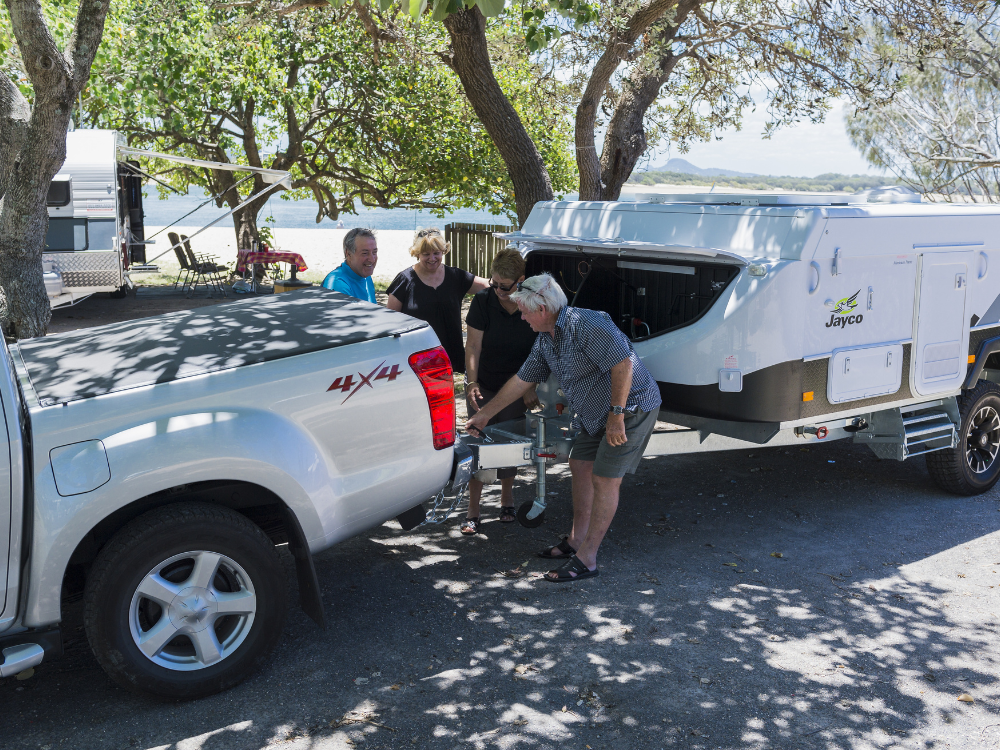
Finally, one of the most critical mistakes any driver can make — towing or not — is overconfidence.
Towing changes how your vehicle handles, brakes and responds, so it’s important to stay alert and drive to the conditions. Don’t assume your setup is within limits — know it.
Stick to appropriate speeds for your vehicle and road conditions, allow extra braking distance, avoid sudden steering, acceleration or braking, and plan ahead for fatigue with regular rest breaks.
It’s also worth checking weather conditions and road updates before you leave, especially for longer trips or regional travel.
A cautious, considered approach behind the wheel can make all the difference when towing.
Towing can feel overwhelming at first, but once you understand the fundamentals and stick to the guidelines, it becomes far more straightforward.
Before heading out on your first trip, consider taking a towing course — even experienced towers benefit from refreshing their skills every few years.
For more information, check out our FREE Towing Guide or attend one of your local caravan and camping shows for expert advice and hands-on tips.
Safer towing means smoother drives and more enjoyable adventures.
Recent Post:



Categories:
Tags:
Key Industry Partners