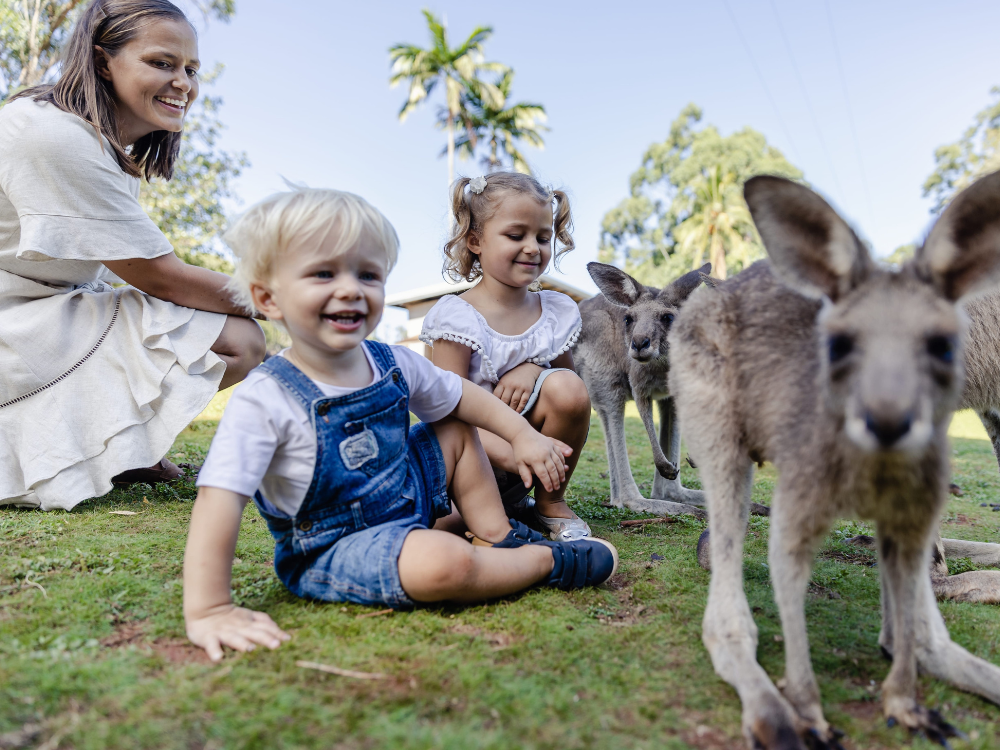
Spring is nesting, hatching and joey season right across Australia, which makes it one of the easiest times of year to turn a school holiday trip into a wildlife encounter the kids will actually remember. With the spring school holidays landing toward the end of September this year, here’s where to head in every state and territory.
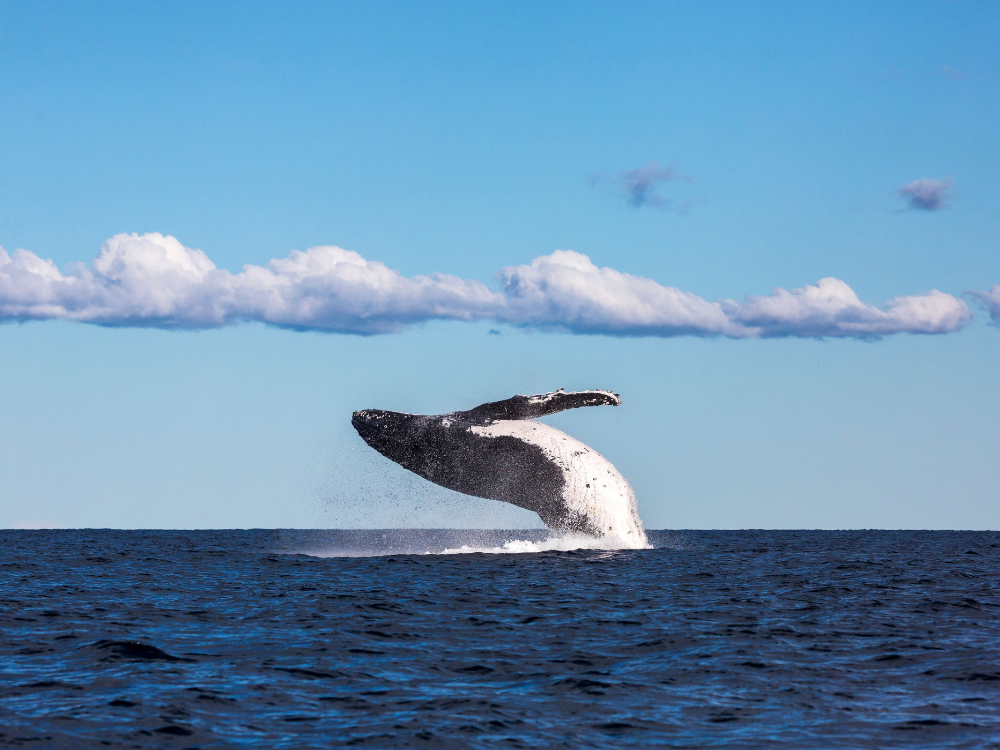
Sitting roughly halfway along the whales’ migration route, Jervis Bay is a reliable spot for spring sightings of humpback and southern right whales, often travelling with their newborn calves close behind. Head to a coastal lookout with the binoculars and you’ve got a good shot at the whole family spotting one together.
Further inland, the Koala Reserve at Narrandera is free to visit and home to more than 200 wild koalas along an easy 2.2km riverside walk, with grey kangaroos regularly spotted too. Spring is an especially good time to go, with a free, family-friendly Koala Count event held there each year.
About 90 minutes from Melbourne, Phillip Island is a genuine all-rounder for spring wildlife spotting. Koala joeys start venturing further from mum, seal pups are active around Seal Rocks, and the island’s seabirds are deep into nesting season. The Nobbies boardwalk is free to walk and gives good vantage points over the seal colony and coastline.
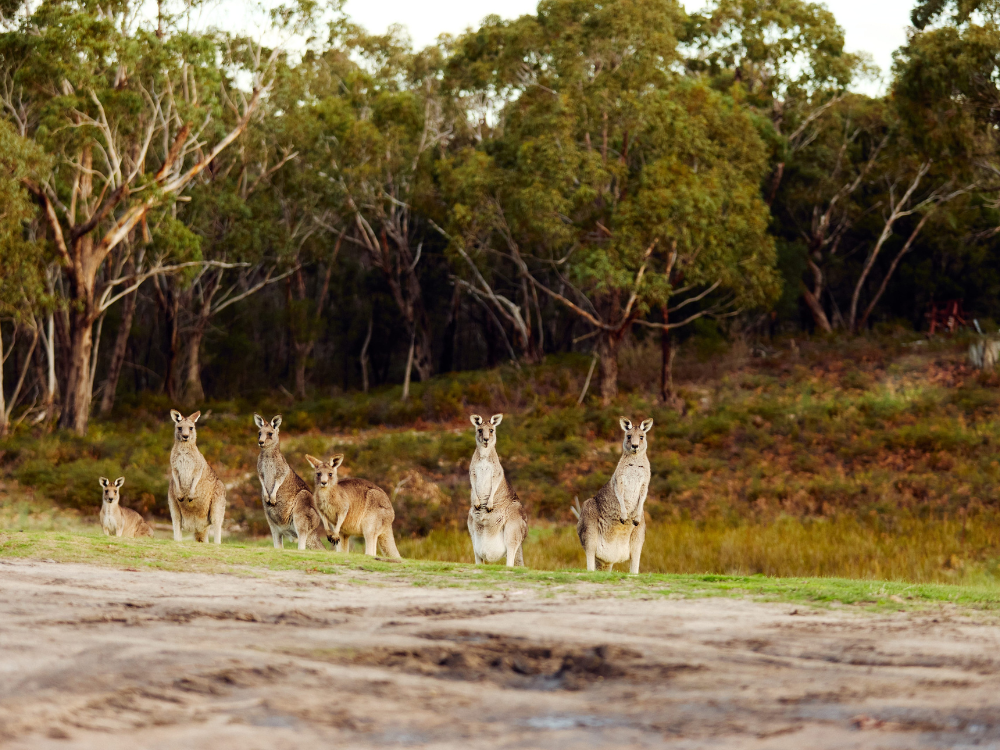
About three hours from Melbourne, Halls Gap in the Grampians is one of the most reliable wild kangaroo encounters in the country, completely free. Kangaroos graze openly around the town itself, wandering past shops and campgrounds largely undisturbed by people, with wallabies, emus and echidnas regularly seen in the surrounding bushland too.
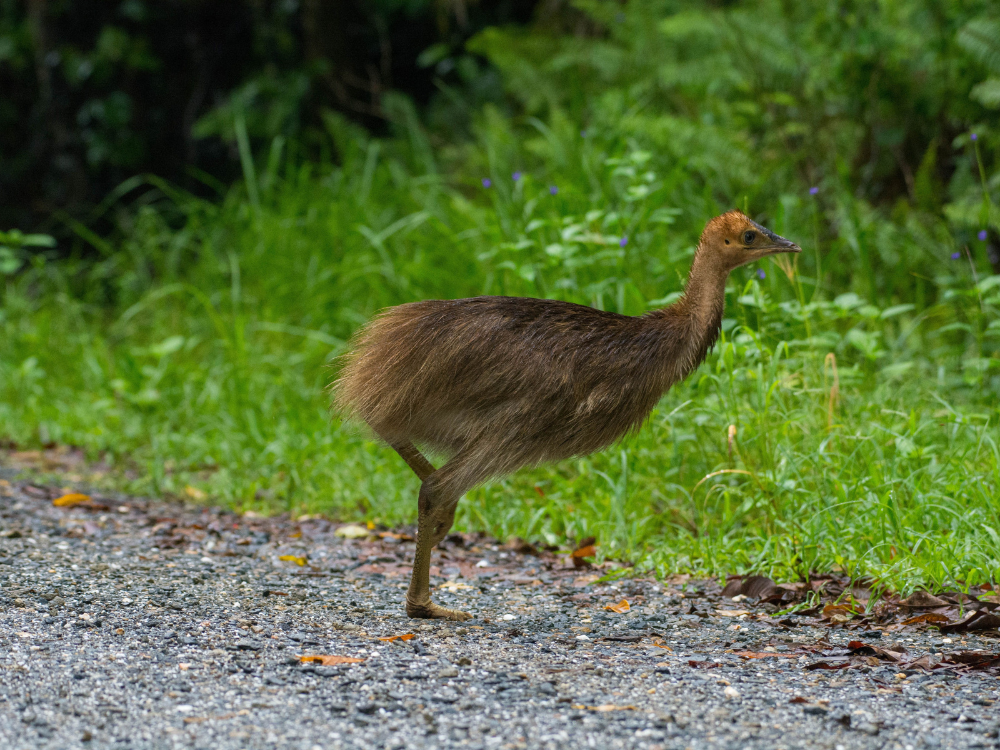
Spring is nesting and hatching season for the southern cassowary in the Daintree, with October a strong month to spot adult birds moving through the rainforest with their newly hatched chicks.
Closer to Brisbane, there’s a different animal for every island. K’gari is home to some of the country’s purest wild dingo (wongari) populations, best admired from a safe distance and never approached. Moreton Island’s sheltered waters are home to resident bottlenose dolphins, regularly spotted from the beach and passing boats around Tangalooma. For whales, North Stradbroke Island’s Point Lookout, less than an hour from the city, is regarded as one of the best land-based whale-watching spots in the country, with sightings running from around May through to November, and manta rays viewable from the same headlands from November. Hervey Bay remains the classic pick further up the coast, known for calm waters where mother whales travel closer to shore with their calves.
And if you’d rather stay on the mainland, Daisy Hill Conservation Park, right on Brisbane’s doorstep, is one of the easiest places in the state to spot a koala in the wild.
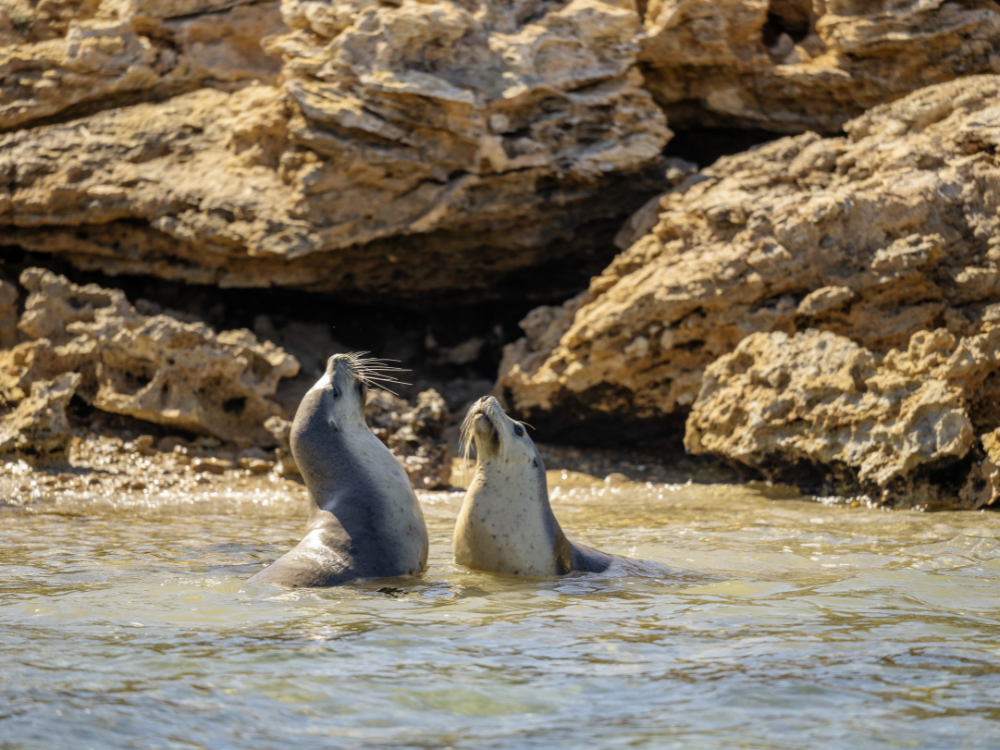
For a free, guaranteed sea lion encounter, Point Labatt Conservation Park on the Eyre Peninsula is home to the only permanent mainland breeding colony of Australian sea lions in the country. A clifftop viewing platform, open daily with no entry fee, looks straight down on the colony, with pups often visible learning to swim below.
On the mainland further west, the Bunda Cliffs in Nullarbor National Park offer one of the country’s most dramatic whale-watching backdrops. Southern right whales gather in the shallow waters below from mid-May to late October to mate and give birth.
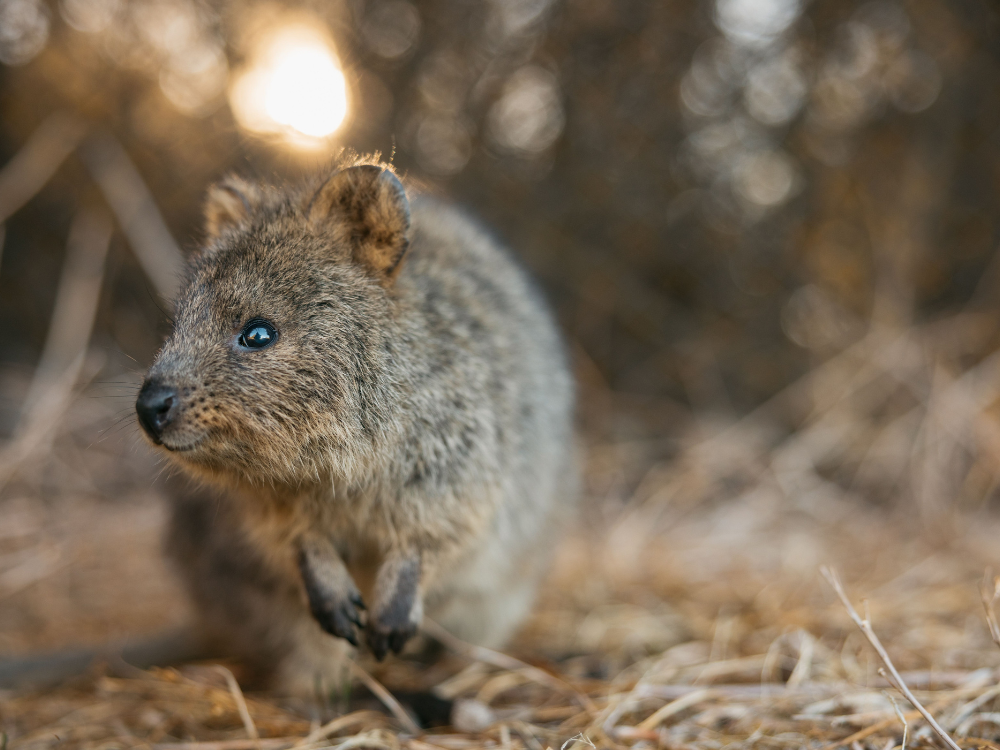
Best known for its quokkas, Rottnest is at its liveliest in spring, with quokka joeys venturing out from the pouch just as migrating humpback whales pass the coast offshore. For a bigger dose of whale action, Ningaloo Marine Park sees thousands of humpbacks migrate along the coastline between July and October, with free shore-based viewing along much of the coast.
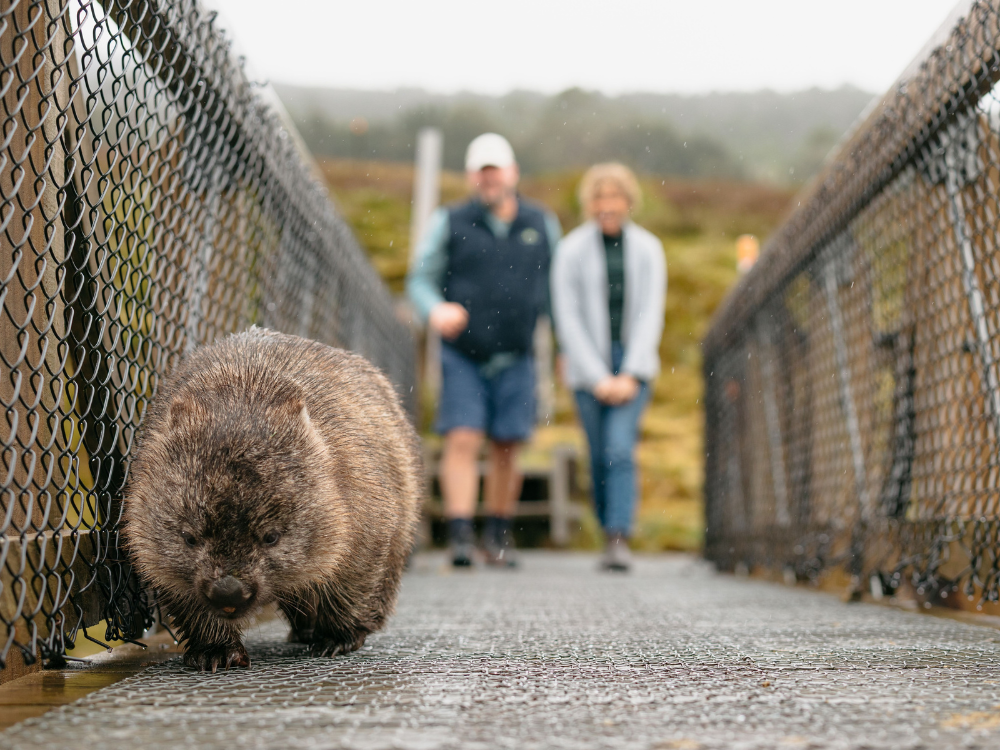
Wombats, wallabies and echidnas all grow noticeably more active and curious as the weather warms, and they’re frequently spotted grazing right along the open tracks and grassy plains at Cradle Mountain, no big detour required.
Over on the east coast, spring marks the start of the breeding season for Bicheno’s little penguins, with males arriving first to prepare their burrows before pairs reunite for the season. They can be spotted for free after dusk from three public beaches, the Blowhole, Redbill Beach and Waubs Beach, no tour required. Just keep still, keep quiet, and use a red light rather than a torch or flash, since frightened penguins may not come ashore at all.
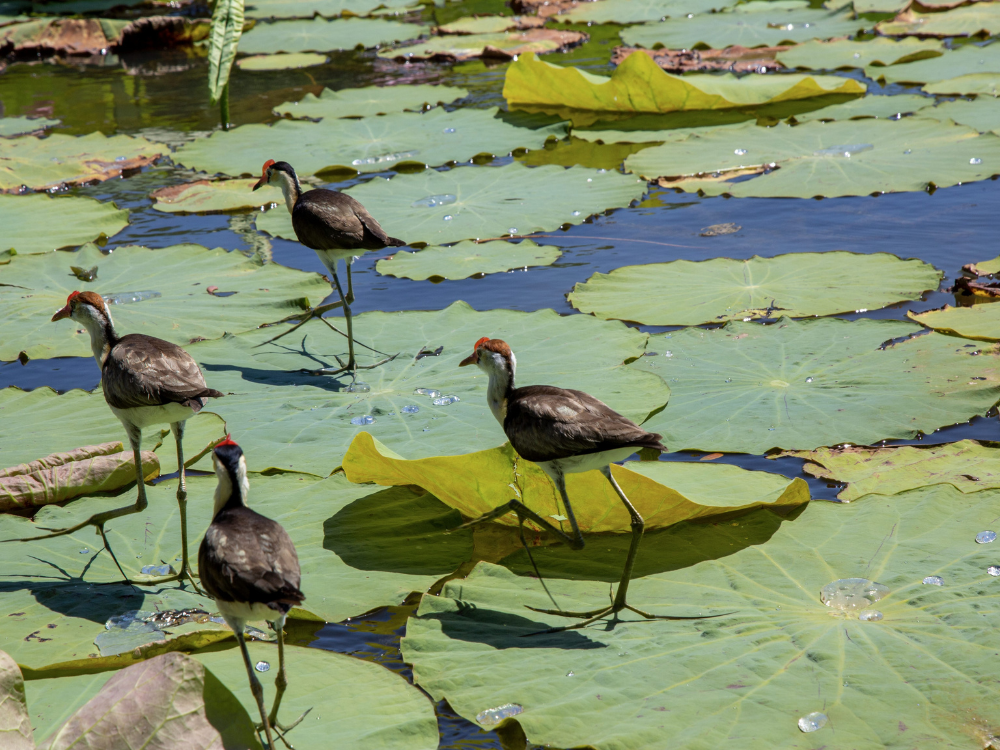
Home to more than a third of Australia’s bird species, Kakadu is a standout for birdwatching in spring, as the build-up to the wet season draws birdlife to shrunken waterholes and wetlands. Kingfishers, black-necked storks and plumed whistling ducks are among the highlights.
For something other than birdlife, Cahills Crossing, on Kakadu’s eastern edge, is one of the most reliable places in the country to see saltwater crocodiles in the wild for free. Dozens gather at this tidal causeway to hunt as the tide sweeps fish across the road, with three safe, elevated viewing platforms overlooking the action. The spectacle actually peaks in September, making it a near-perfect match for a spring wildlife visit.
A few things worth keeping in mind wherever you’re headed:
Find the perfect camping spot for your spring wildlife adventuring with your state caravan park association.
Recent Post:

Categories:
Tags:
Key Industry Partners