
Spring is one of the best times to take the Great Eastern Drive slowly. The crowds are thinner, the beaches are close to empty, and the coastal heath is putting on its best show of the year. Point the van north or south along Tasmania’s east coast this spring and you will find wildflowers, wildlife, waterfalls and a quiet stretch of coastline all worth the detour.
Spring on the east coast tends to be milder and drier than the rest of the island, helped along by the coast’s own moderating sea breeze. Days can turn from sunshine to a sudden southerly gust and back again within an hour, so pack layers and be ready for anything. With fewer visitors on the tracks and beaches than in summer, it is a good season for travellers who like their national parks a little quieter.
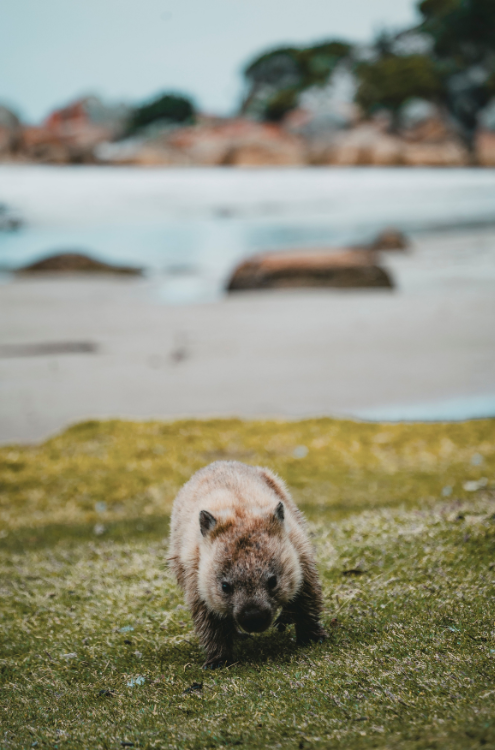
Heading out from Hobart, the drive proper begins around Orford, where the East Coast wine region kicks off. A short ferry ride from Triabunna gets you to Maria Island, a car-free island where wombats graze unbothered by traffic and spring brings the island’s blue gums into flower. It is an easy add-on for a day trip, or an overnight stay if you want the island to yourself once the day-trippers have gone.
Further up the coast, Freycinet National Park is one of the best spots on the whole drive for spring wildflowers, with coastal heath bursting into pinks, purples, yellows and whites from September. The walk to Wineglass Bay Lookout is worth the climb any time of year, but spring adds a layer of colour to the granite and scrub along the way. Give yourself time to wander through here. Slowing down to a walking pace is when you notice the small things, an orchid tucked beside the track, a banksia just opening, a flash of a native bird in the tea-tree.
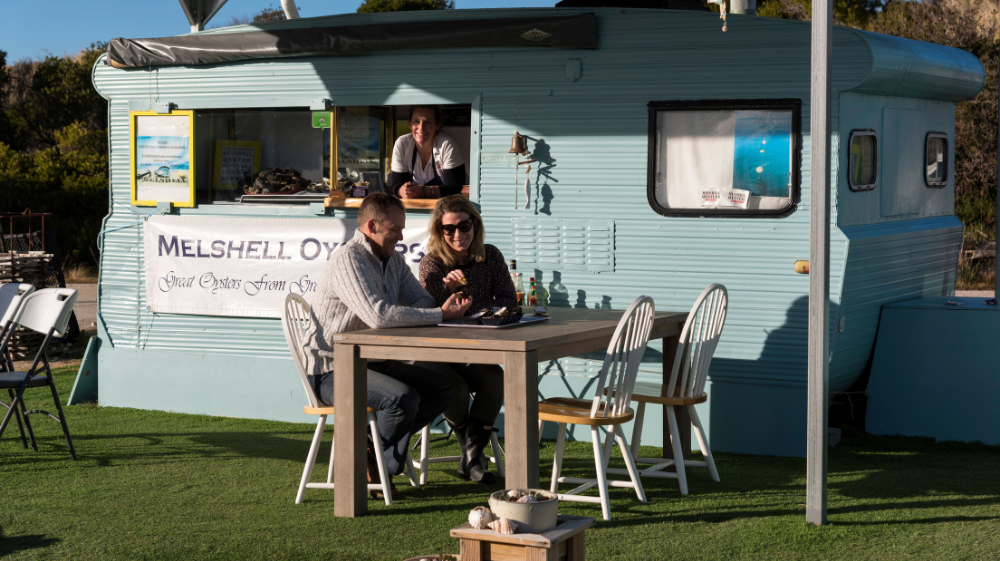
Bicheno makes a good base for exploring the East Coast Wine Trail, which runs along this stretch of coast from Orford through to the north-east tip of the island. Cellar doors here specialise in cool-climate Pinot Noir, Chardonnay and sparkling wine, and a growing number pour local cider and beer alongside it, so there is no shortage of reasons to stop for a tasting between beach walks.
If your trip lines up with it, Great Eastern Wine Week runs from 22 to 25 October 2026, a four-day celebration of the East Coast’s wine, people and places, with events held across the region over the four days. It is worth planning a stay around, and booking ahead!

Up near St Helens, spring rain feeds some of the region’s best waterfalls, including St Columba Falls, a short rainforest walk to one of Tasmania’s tallest cascades. It is an easy detour inland from the coast, and a good change of pace from the beaches of the Bay of Fires further north, where the orange lichen-covered rocks and clear water are just as striking in spring as in the height of summer.
Coastal heath along the east coast bursts into colour from September through October, with banksia, tea tree and boobialla among the standouts, alongside native orchids scattered through the scrub. As with any wildflower season, look but do not touch. Leave no trace and avoid picking or collecting flowers or plants from coastal areas, since much of what you will see grows nowhere else.
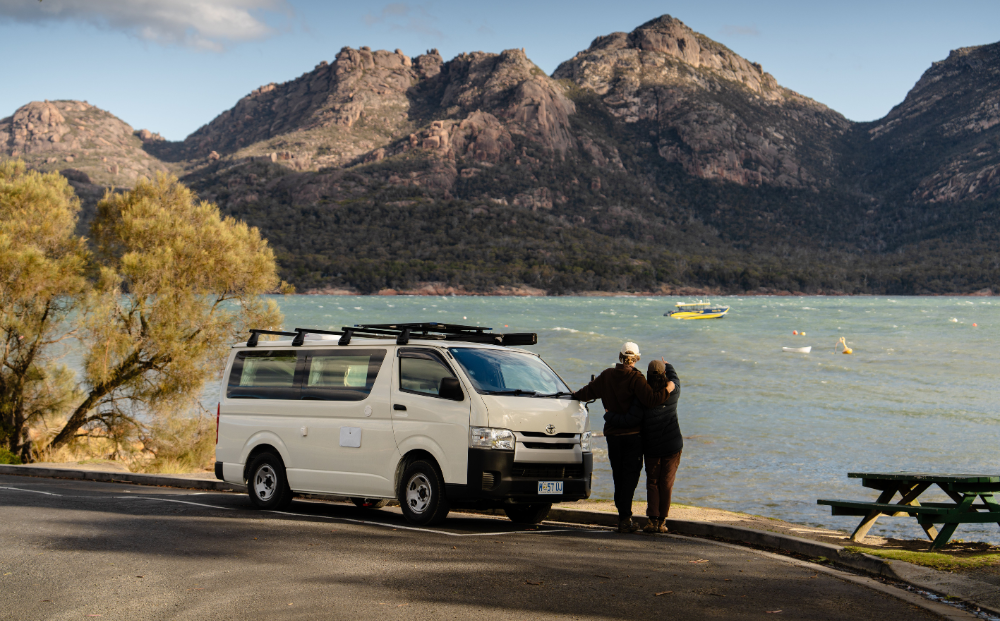
A slow drive up Tasmania’s east coast is best done with a base to come back to each night. Find a caravan park near the coast to make the most of spring’s wildflowers, quiet beaches and mild coastal weather this season.
Recent Post:



Categories:
Tags:
Key Industry Partners